The psychology of gambling Unraveling the hidden motives behind your bets with Pin Up
The Allure of Risk and Reward
The psychology of gambling is deeply rooted in the interplay between risk and reward. The thrill of placing a bet often stems from the potential for significant gains, which can create a rush of excitement. This phenomenon is closely linked to our brain’s reward system, which releases dopamine in response to winning. For many, the anticipation of a win can be as exhilarating as the win itself, leading to repeated betting behavior. To explore this thrilling experience, visit Pin-Up Bet, where excitement meets opportunity.
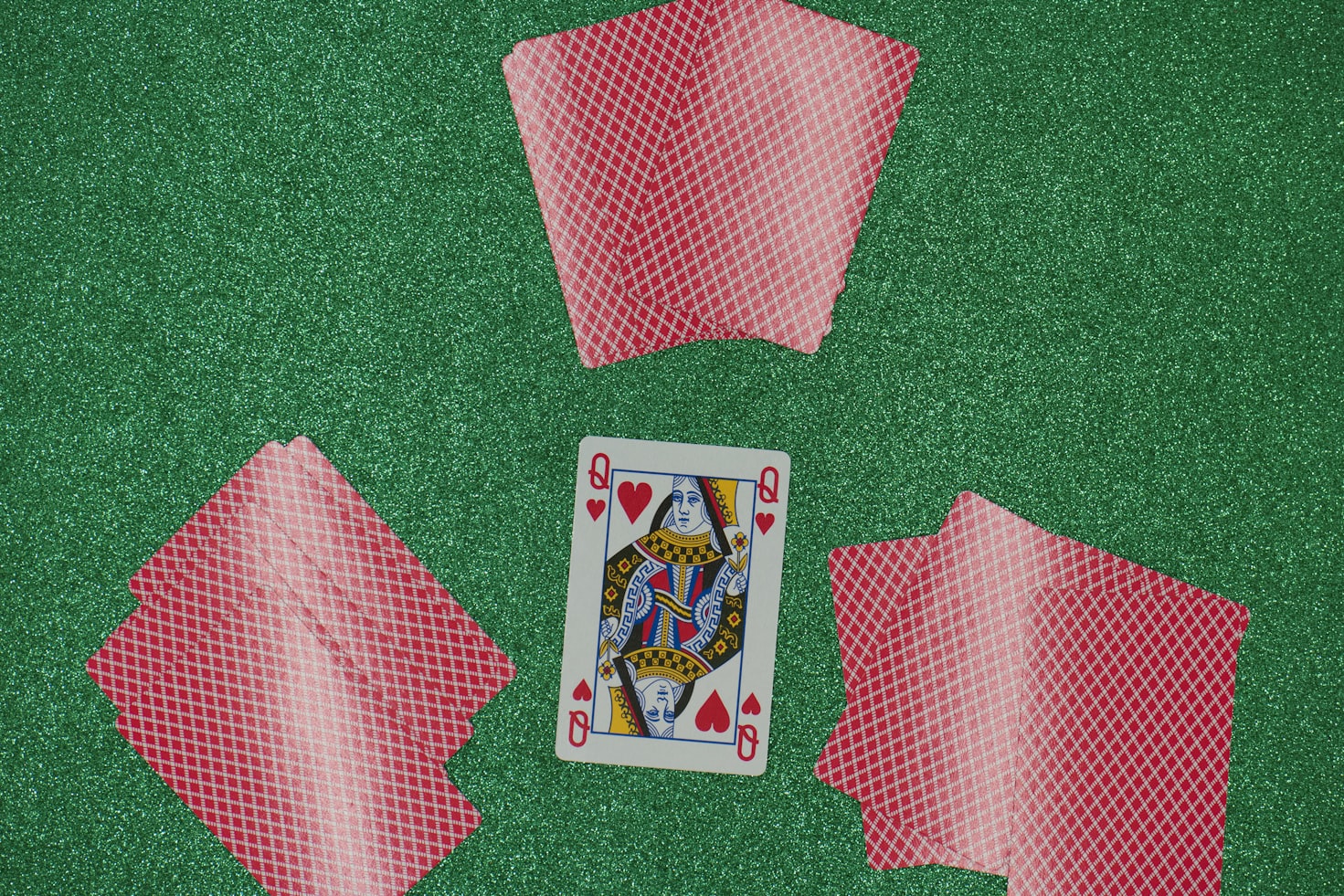
However, this allure can also lead to irrational decision-making. Gamblers may underestimate the odds against them, driven by the euphoric feeling of a past win. This miscalculation can create a cycle of chasing losses, where individuals continue to gamble in hopes of recouping previous expenditures, often leading to problematic betting patterns.
The Influence of Social Factors
Social dynamics significantly impact gambling behavior. For many individuals, betting can serve as a social activity, providing a sense of belonging and camaraderie. Engaging in gambling with friends or community members can amplify excitement and reinforce the behavior, often making it more appealing than solitary betting. The presence of places like Pin Up Bet also fosters community engagement among bettors.
Moreover, societal perceptions of gambling can also shape individual motives. In cultures where gambling is celebrated or normalized, individuals may feel encouraged to participate, further fueling their propensity to bet. This collective approval can overshadow personal misgivings and contribute to compulsive gambling tendencies.
Psychological Triggers Behind Betting
Understanding the psychological triggers that lead to gambling is crucial in unraveling the motives behind each bet. Emotions such as stress, boredom, or anxiety can drive individuals to seek solace in gambling. The activity can become a temporary escape, allowing individuals to divert their attention from life’s pressures and uncertainties.
Additionally, cognitive biases play a significant role in gambling decisions. The illusion of control, for instance, can lead individuals to believe they can influence the outcome of games or bets. This false sense of agency can perpetuate gambling behaviors, as individuals become entrenched in the belief that luck can be manipulated through skill or strategy.
Gambling Addiction and Its Consequences
Gambling addiction is a serious issue that arises from the interplay of psychological, social, and emotional factors. It can lead to devastating consequences, impacting not just the individual but also their relationships and financial stability. Recognizing the signs of gambling addiction is essential for intervention and recovery.
Many individuals may start as casual gamblers but can quickly slip into patterns of compulsive betting. This transition often stems from an inability to manage emotions or stressors in healthier ways. Understanding the underlying motives can pave the way for effective treatment approaches, including therapy and support groups.

Pin Up Bet: A Responsible Betting Experience
Pin Up Bet is committed to providing a responsible gambling environment, ensuring that users can engage in betting activities with awareness and safety. The platform offers various tools and resources to help individuals monitor their betting habits, promoting a healthier relationship with gambling.
By encouraging users to set limits and recognize the signs of excessive gambling, Pin Up Bet aims to create a supportive community where responsible betting is prioritized. With a focus on user experience and well-being, the platform ensures that gambling remains an enjoyable pastime rather than a source of distress.