Understanding the psychological effects of gambling on decision-making processes
The allure of gambling
Gambling captivates individuals through a blend of excitement and the prospect of financial gain. The thrill associated with games of chance taps into primal instincts, evoking emotions that can significantly influence decision-making. In addition to this, those interested in online experiences might want to check out spinago. This excitement can sometimes lead individuals to overlook risks, prioritizing immediate gratification over long-term consequences.

Additionally, the environment of gambling establishments is designed to maximize engagement, from the sounds of winning to the visual stimulation of bright lights. This sensory overload can skew judgment, causing players to make impulsive decisions that may not align with their rational thought processes. Understanding these initial attractions is essential to recognizing how they impact behavior.
The role of cognitive biases
Cognitive biases play a critical role in gambling behavior, often distorting reality and influencing decisions. For instance, the illusion of control can lead players to believe they can influence the outcome of games of chance through skill or strategy. This misconception can reinforce continued gambling, as individuals feel empowered rather than constrained by the odds.
Another prevalent cognitive bias is confirmation bias, where gamblers focus on wins and ignore losses. This selective memory can create a false narrative that they are on a winning streak, further entrenching their belief in their ability to succeed. Recognizing these biases is vital for understanding the psychological underpinnings of gambling decisions.
Emotional influences on decision-making
Emotions significantly sway decision-making processes in gambling. Players often gamble to escape negative feelings, such as stress or boredom, seeking solace in the unpredictable nature of games. This emotional connection can lead to compulsive behavior, as individuals chase losses or crave the euphoria associated with winning.
Moreover, the excitement of gambling can create a dopamine rush, reinforcing behavior that may not be conducive to rational thinking. This reward system can establish a cycle where players are driven to engage in gambling as a way to replicate the pleasurable feelings associated with wins, sometimes at the expense of their financial well-being.
Social factors in gambling behavior
The social context surrounding gambling also profoundly impacts decision-making. Many individuals are influenced by their social circles, adopting behaviors and attitudes towards gambling based on peers. This social reinforcement can lead to increased participation in gambling activities, as individuals feel encouraged by friends or family.
Additionally, the stigma associated with gambling addiction can prevent individuals from seeking help, further entrenching their behaviors. Understanding the social dynamics at play can provide insight into why some individuals may gamble recklessly, despite the potential consequences on their lives and relationships.
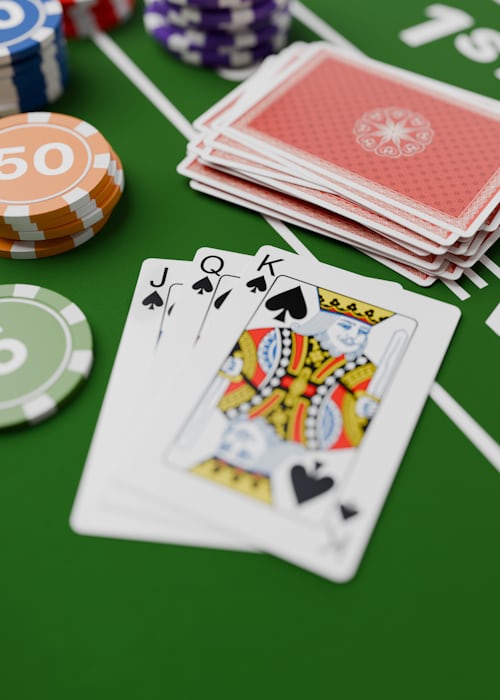
Experience the thrill with Spinago Online Casino
At Spinago Online Casino, we offer a wide array of gaming options, from captivating pokies to engaging live casino games. Our platform is designed to provide an exceptional gaming experience tailored specifically for Australian players, ensuring that every moment is filled with excitement and potential rewards.
By joining Spinago, players can take advantage of exclusive promotions and seamless banking options, including instant withdrawals. Our commitment to responsible gaming ensures that while the thrill of gambling is accessible, we also prioritize the well-being of our players, making informed decisions an integral part of the gaming experience.